English
 French
 Spanish
 Portuguese
 Deutsch
 Italiano
 Greek
Greek
 Reels
Reels
 Discover Events
 My Events
 Discover Blogs
 Discover Market
 Discover Groups
 My Groups
 Discover Pages
 Liked Pages
 Popular Posts
 Discover Posts
 Jobs
Jobs
 Forums



Transform Metal Maintenance with a High-Precision Fiber Laser Rust Remover for Efficient Corrosion Control
Other |
2026-01-01 10:35:19
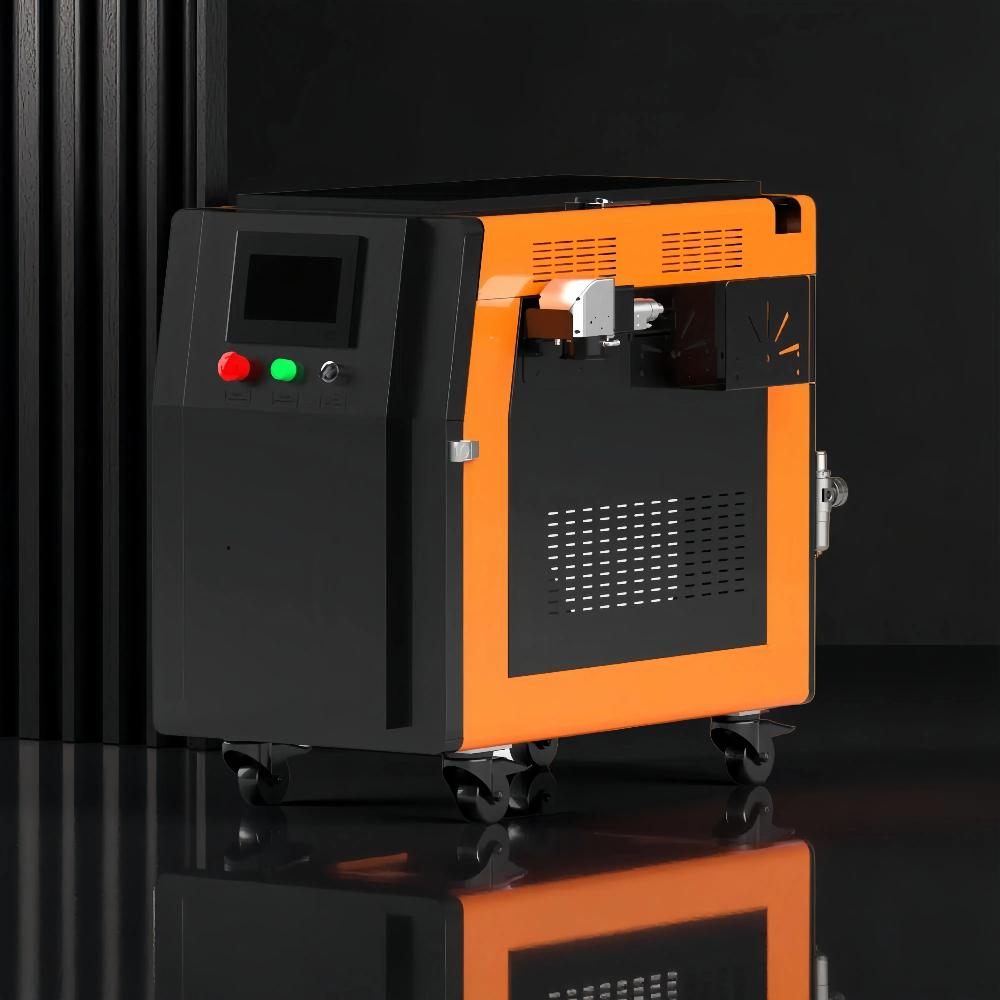
Rust and corrosion are among the most persistent problems faced by industries that rely on metal equipment and structures. From industrial machinery and automotive parts to infrastructure and fabrication tools, corrosion can compromise performance, reduce lifespan, and lead to costly repairs. Traditional methods like grinding, sanding, or chemical stripping often fall short — they’re time-consuming, inconsistent, and may damage the base material. That’s why a fiber laser rust remover is becoming the smart choice for professionals who need precise, fast, and safe rust removal without sacrificing quality.
At its core, a fiber laser rust remover employs concentrated light energy to interact with rust and corrosion bonds on metal surfaces. Instead of physically scraping or chemically dissolving the rust, the laser targets and breaks the bond between the contaminant and the underlying metal. As a result, rust particles are lifted away cleanly, leaving the original surface untouched. This non-contact technology ensures detailed material preservation — a crucial advantage for precision parts, high-value components, and surfaces with tight tolerances.
Precision is one of the standout benefits of using a fiber laser rust remover. The laser beam can be finely controlled to remove rust layer by layer with micron-level accuracy. This level of control is especially valuable for delicate or complex surfaces, such as gears, moulds, castings, and aerospace parts where maintaining dimensions is essential. Unlike abrasive techniques that can gouge or warp metal, laser rust removal ensures uniform results and maintains the integrity of the original component.
Speed is another major benefit. Traditional rust removal, whether by hand or machine, often involves lengthy processes — from surface preparation and abrasive blasting to chemical application and neutralisation. In contrast, laser rust removal works quickly and efficiently, reducing hours of labour to minutes of clean, effective processing. This can lead to significant productivity improvements in maintenance workflows, allowing teams to complete jobs faster and with less downtime.
The environmental and safety advantages are also compelling. Chemical rust removers often contain hazardous substances, produce toxic fumes, and require specialised ventilation and disposal procedures. Dry abrasive blasting generates clouds of dust that can jeopardise worker safety without adequate containment and personal protective equipment. By comparison, a fiber laser rust remover delivers a cleaner process with minimal secondary waste. With proper extraction or filtration systems in place, operators avoid exposure to harmful chemicals and airborne particulates, creating a safer, cleaner workspace.
Versatility is another reason why laser rust removal technology is gaining traction across industries. A fiber laser rust remover works effectively on a wide variety of metals — including carbon steel, stainless steel, aluminium, copper, and alloyed surfaces. Whether you’re restoring vintage components, prepping welds for inspection, descaling machinery parts, or cleaning tools and fixtures for re-use, the laser adapts to different surface conditions and corrosion levels with precision and repeatability.
Ease of use also enhances its appeal. Many systems are designed with intuitive controls and adjustable settings for power, pulse rate, and scan speed, allowing operators to tailor performance based on material type and rust thickness. This flexibility improves consistency across jobs and reduces the learning curve for technicians.
In summary, a fiber laser rust remover offers businesses a powerful tool for modern surface maintenance — combining unmatched precision, safety, speed, and material preservation. From industrial maintenance to fabrication shops and restoration specialists, this advanced solution delivers superior results with less labour and lower environmental impact.