English
 French
 Spanish
 Portuguese
 Deutsch
 Italiano
 Greek
Greek
 Reels
Reels
 Ανακάλυψε Events
 Τα events μου
 Ανακάλυψε Blogs
 Ανακάλυψε Αγορά
 Ανακάλυψε Ομάδες
 οι Ομάδες μου
 Ανακάλυψε Σελίδες
 Σελίδες που μου αρέσουν
 Δημοφιλείς δημοσιεύσεις
 Discover Posts
 Εργασίες
 Forum
Forum



Geographic Diversification and Localized Supply Chains: A Look at the Disposable Nitrile Gloves Market Region Dynamics
Health |
2025-12-18 07:36:10
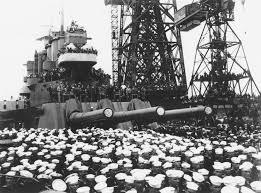
The u.s. merchant marine plays a vital role in supporting national commerce economic stability and global logistics. Often operating behind the scenes these civilian-operated vessels transport goods equipment and supplies across domestic and international waters. While their contribution to trade and national support is widely recognized the security challenges faced by the u.s. merchant marine receive far less public attention.
In an increasingly complex global environment maritime security has become a critical priority. Protecting vessels crews and cargo requires careful planning professional oversight and in certain situations the presence of trained armed security personnel.
The u.s. merchant marine consists of commercial vessels and civilian mariners who operate ships under the U.S. flag. These vessels transport cargo fuel food and industrial materials that support everyday life and national interests. During times of emergency or conflict the u.s. merchant marine has historically provided essential logistical support demonstrating its strategic importance.
Unlike military fleets merchant marine vessels are primarily commercial in nature. However their importance makes them valuable assets that must be safeguarded against a variety of risks both at sea and in port.
Today’s maritime environment presents a wide range of security concerns. The u.s. merchant marine operates across vast distances often passing through busy shipping lanes remote waters and international ports. Each location introduces unique risks that must be carefully managed.
Some of the most common security challenges include:
Unauthorized access to vessels
Cargo theft and tampering
Smuggling attempts
Piracy in certain regions
Insider threats and human error
These risks highlight the need for professional security strategies that go beyond basic monitoring.
The security of the u.s. merchant marine is directly linked to economic reliability and operational continuity. Any disruption to shipping operations can result in financial losses delayed deliveries and broader supply chain impacts. For this reason security is not simply a precaution it is a strategic necessity.
Professional security planning helps ensure that vessels remain operational crews are protected and cargo arrives safely at its destination. This is especially important when transporting high-value or sensitive materials.
In higher-risk environments armed guards can provide an added layer of protection for merchant vessels. Their presence serves as a visible deterrent reducing the likelihood of unlawful activity before it occurs.
Armed guards assigned to maritime operations are trained to work within strict legal and professional guidelines. Their responsibilities include monitoring access points maintaining vigilance during transits and responding quickly to potential threats. The goal is always prevention and de-escalation with safety as the top priority.
For the u.s. merchant marine armed security can be particularly valuable when vessels operate in regions with known security concerns or when carrying critical cargo.
Seafarers working aboard u.s. merchant marine vessels face demanding conditions. Long voyages isolation and unpredictable environments are part of the job. Knowing that professional security measures are in place can significantly improve crew confidence and morale.
When crews feel safe they are better able to focus on their duties and maintain high operational standards. This human element of security is just as important as protecting physical assets.
Security does not end when a vessel docks. Ports are busy environments with constant movement of personnel vehicles and cargo. Effective access control is essential to prevent unauthorized entry and ensure smooth operations.
Armed and unarmed security professionals often work alongside port authorities to manage access points monitor activity and enforce safety protocols. For u.s. merchant marine vessels strong port security reduces the risk of theft tampering and delays.
Professional security services supporting the u.s. merchant marine emphasize training and accountability. Armed guards undergo background checks licensing and specialized instruction to ensure they meet regulatory requirements and operate responsibly.
Equally important is coordination with vessel crews and operators. Security personnel must understand maritime operations and communicate clearly to avoid disruptions while maintaining a secure environment.
This focus on professionalism aligns with the broader standards of the u.s. merchant marine where discipline and reliability are essential.
Modern maritime security often combines trained personnel with advanced technology. Surveillance systems communication tools and tracking systems enhance situational awareness and support security teams in their duties.
However technology alone cannot replace human judgment. Armed guards provide adaptability and real-time decision-making that automated systems cannot replicate. Together technology and professional security create a balanced and effective approach.
Investing in security for the u.s. merchant marine offers long-term advantages. Strong security measures help reduce insurance risks prevent costly incidents and protect a company’s reputation. Clients and partners are more likely to trust operators who demonstrate a commitment to safety.
From an operational standpoint proactive security planning minimizes disruptions and supports consistent performance across shipping operations.
Protecting the u.s. merchant marine is a shared responsibility among vessel operators crews port authorities and professional security providers. Each plays a role in maintaining safe and efficient maritime operations.
Armed guard services when used appropriately complement existing security measures and provide additional reassurance in higher-risk scenarios. This layered approach reflects best practices in modern security planning.
The u.s. merchant marine remains a cornerstone of commerce and national support quietly enabling the flow of goods that sustain economies and communities. As maritime operations continue to evolve so do the security challenges they face.
By prioritizing professional security solutions including the strategic use of armed guards vessel operators can protect crews cargo and operations more effectively. In doing so they uphold the reliability resilience and professionalism that define the u.s. merchant marine and ensure its continued success in a changing world.