English
 French
 Spanish
 Portuguese
 Deutsch
 Italiano
 Greek
Greek
 Reels
Reels
 Discover Events
 My Events
 Discover Blogs
 Discover Mercatino
 Discover Gruppi
 My Groups
 Discover Pagine
 le pagine che mi piacciono
 Popular Posts
 Discover Posts
 Jobs
Jobs
 Forums



The Global Family's Banker: The Pervasive Impact of the Remittance Industry
Other |
2025-12-31 08:44:13
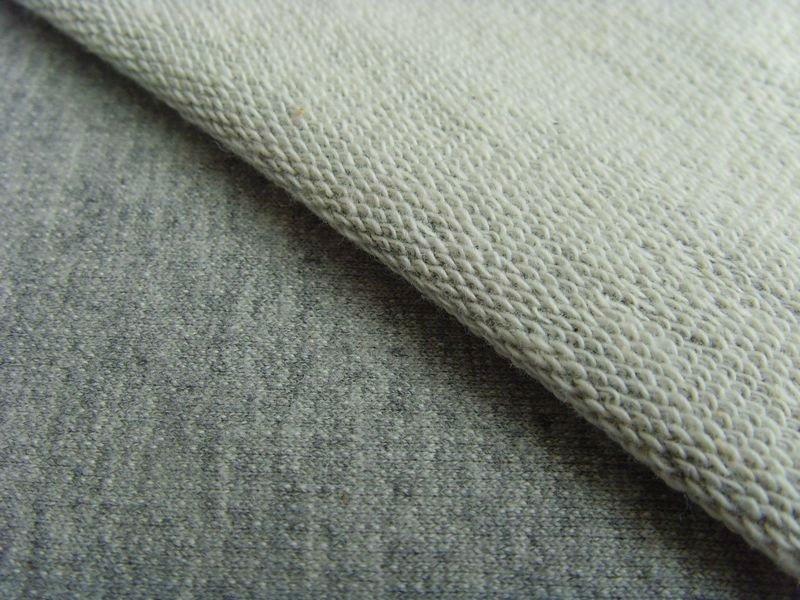
Knitted fabrics are widely used in modern apparel due to their comfort, flexibility, and adaptability. From casual wear to performance garments, these fabrics play a critical role in the fashion and textile industry. However, like any textile product, knitted fabrics can develop defects during production, handling, or finishing. Understanding these defects and learning how to prevent them is essential for manufacturers, designers, and brands focused on quality.
This guide explores the most common defects found in knitted fabrics, why they occur, and how they can be avoided through better planning, material selection, and process control.
Defects in knitted fabrics usually arise due to issues in yarn quality, machine settings, environmental conditions, or operator error. With growing demand for high-quality garments and sustainable knitting materials, manufacturers are under increasing pressure to maintain consistency without compromising fabric performance.
A defect-free fabric ensures better wearability, improves garment lifespan, and reduces production losses.
Dropped stitches occur when a loop falls off the knitting needle or machine hook, creating visible holes in the fabric.
Causes include:
Incorrect machine tension
Damaged needles
Poor yarn strength
How to avoid:
Regular inspection of needles
Proper yarn tension control
Consistent machine maintenance
This defect results in areas of fabric appearing tighter or looser than others, affecting both appearance and performance.
Common reasons:
Inconsistent yarn thickness
Uneven take-down tension
Improper machine calibration
Prevention tips:
Use uniform yarn lots
Monitor machine speed and tension
Conduct test runs before bulk production
Spirality is common in circular knitted fabrics, especially after washing, where seams twist around the garment.
Why it happens:
High yarn twist
Imbalanced knitting structure
Incorrect loop formation
How to reduce it:
Use balanced yarn constructions
Adjust knitting direction
Optimize fabric relaxation processes
Holes appear as unwanted gaps, while needle lines show as vertical streaks caused by faulty needles.
Key causes:
Broken or bent needles
Yarn breakage
Improper needle selection
Solutions:
Replace damaged needles immediately
Match needle type with yarn count
Schedule frequent machine inspections
Pilling affects the visual appeal and durability of knitted fabrics, especially in garments used frequently.
Main causes:
Short staple fibers
Low yarn twist
Excessive friction during use
Ways to avoid pilling:
Choose higher-quality yarns
Apply anti-pilling finishes
Control fabric abrasion during processing
Shrinkage occurs when knitted fabrics reduce in size after washing, leading to fit problems.
Reasons include:
Inadequate fabric relaxation
Improper finishing techniques
Fiber type sensitivity
Prevention methods:
Pre-shrinking treatments
Controlled washing tests
Heat-setting where applicable
Barre appears as unintended horizontal or vertical stripes caused by yarn or machine inconsistencies.
Common causes:
Mixed yarn lots
Uneven dye absorption
Variations in yarn tension
How to prevent barre:
Use consistent yarn batches
Maintain uniform dyeing conditions
Standardize machine settings
Many defects originate during the knitted fabric manufacturing process, making process control a top priority. From yarn selection to final finishing, every stage influences fabric quality.
Best practices include:
Strict quality checks at each stage
Controlled humidity and temperature
Skilled machine operators
Documented standard operating procedures
These steps significantly reduce fabric rejection rates and improve overall production efficiency.
Choosing the right fibers and yarns directly affects fabric performance. Advanced yarn engineering and better fiber blends are now commonly used to improve strength, elasticity, and appearance.
High-quality raw materials are especially important for garments like knitted fabric for activewear, where stretch, recovery, and breathability must meet performance standards.
Effective quality control is not limited to final inspection. It must be integrated throughout production.
Key quality measures:
Inline fabric inspection
Lab testing for strength and shrinkage
Visual checks under proper lighting
Wash and wear simulations
Early defect detection saves time, reduces waste, and supports long-term brand credibility.
For apparel brands and sourcing teams, fabric defects can lead to:
Higher production costs
Delayed deliveries
Customer dissatisfaction
Increased returns
This is why many businesses prefer working with experienced wholesale clothing manufacturers that follow strict quality protocols and industry standards. Reliable partners help ensure consistency across large-scale production runs.
Defects in knitted fabrics are common but largely preventable with the right approach. By understanding defect types, improving machine handling, and focusing on material quality, manufacturers can significantly reduce errors. Investing in training, technology, and process optimization leads to better fabrics and stronger market positioning.
For brands sourcing at scale, collaborating with trusted wholesale clothing manufacturers can make a measurable difference in maintaining fabric quality, production efficiency, and long-term growth.