English
 French
 Spanish
 Portuguese
 Deutsch
 Italiano
 Greek
Greek
 Reels
Reels
 Discover Events
 My Events
 Discover Blogs
 Discover Mercatino
 Discover Gruppi
 My Groups
 Discover Pagine
 le pagine che mi piacciono
 Popular Posts
 Discover Posts
 Jobs
Jobs
 Forums



Bridgestone Tyres Price in UAE: What Affects the Cost and How to Save
Other |
2025-12-30 04:22:16
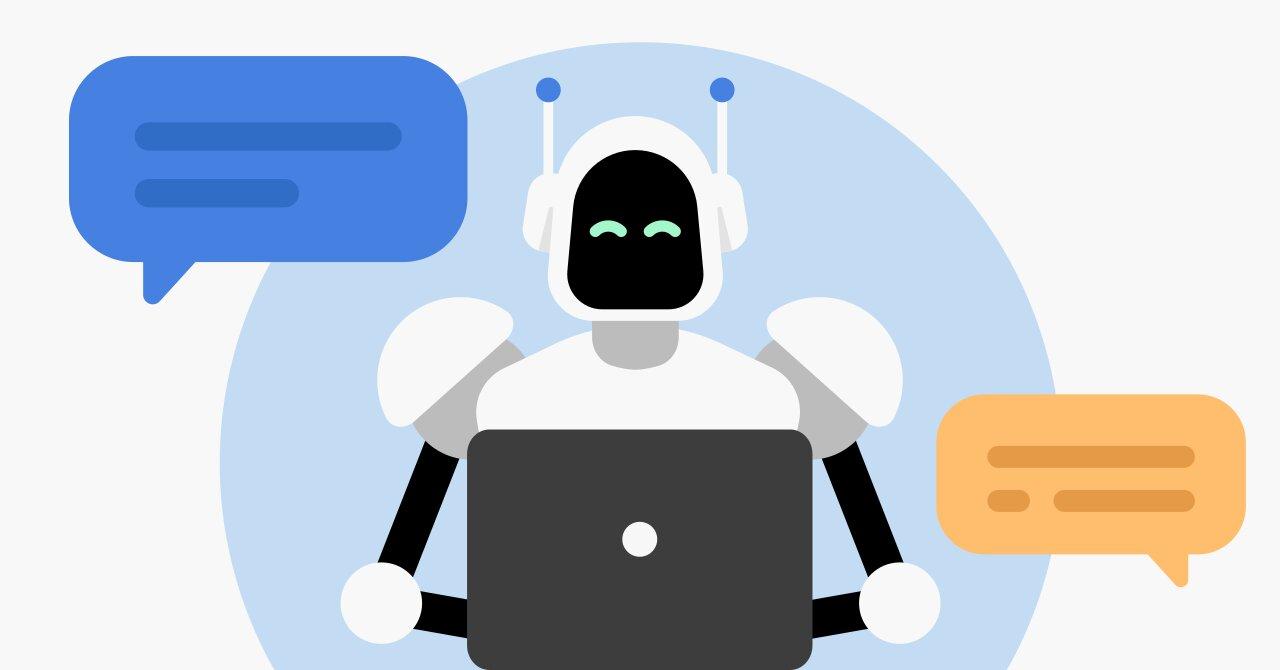
The world of chatbots and conversational AI is evolving at an unprecedented speed, moving far beyond simple, scripted Q&A bots to become sophisticated, human-like digital assistants. To understand the future of this transformative market, it is essential to analyze the key Chatbots Market Trends that are defining the next generation of solutions. These trends are almost entirely driven by the revolutionary impact of large language models (LLMs) and generative AI. The overarching theme is a shift from bots that are "trained" on specific tasks to bots that can "reason" and "generate" responses, making them vastly more flexible, capable, and easy to build. These developments are not just improving chatbots; they are fundamentally reimagining what is possible with automated conversation.
The single most dominant and disruptive trend is the adoption of generative AI. Traditional AI chatbots required a painstaking process of defining "intents" and "entities" and providing dozens or hundreds of training examples for each specific question the bot was expected to answer. With generative AI, this process is being radically simplified. A developer can now simply point the chatbot to a knowledge base—such as a company's website, product manuals, or help center articles—and the LLM can read and understand this content. When a user asks a question, the bot can then generate a natural-language answer directly from that source material, even if it has never been explicitly trained on that specific question. This "retrieval-augmented generation" (RAG) approach is dramatically reducing the time and effort required to build and maintain a knowledgeable chatbot.
Another powerful trend is the move towards "proactive" and "goal-oriented" conversations. Instead of just passively waiting for a user to ask a question, modern chatbots are being designed to proactively engage users and guide them towards a specific outcome. For example, a chatbot on an e-commerce site might notice a user hesitating on the checkout page and proactively pop up to ask if they need help or to offer a discount code. This trend is also about creating "agent-like" bots that can perform complex, multi-step tasks on behalf of the user. A user could simply say, "Book me a flight to New York next Tuesday," and the bot could then ask a series of clarifying questions and interact with various back-end systems to complete the entire booking process, acting as a true personal assistant.
Finally, a critical trend is the increasing use of voice and the move towards more emotionally intelligent and empathetic conversations. The proliferation of smart speakers and voice assistants has made users more comfortable with speaking to machines. This is driving the demand for voice-enabled chatbots that can engage in natural, spoken conversations. This goes beyond just speech-to-text and text-to-speech. The trend is towards using AI to analyze the user's tone of voice to detect their emotional state—such as frustration or satisfaction—and to adapt the bot's own response style accordingly. By using more natural-sounding, AI-generated voices and incorporating empathetic language, chatbots are becoming less robotic and more like a helpful, friendly human, which is key to building customer trust and satisfaction.
Top Trending Reports: