English
 French
 Spanish
 Portuguese
 Deutsch
 Italiano
 Greek
Greek
 Reels
Reels
 Découvrir Evènements
 Mes événements
 Découvrir Blogs
 Découvrir Marketplace
 Découvrir Groupes
 Mes groupes
 Découvrir Pages
 Aimer les pages
 Articles populaires
 Découvrir les articles
 Emplois
 Forums



From Image to Stitch: Convert JPG to PES Embroidery File
Other |
2025-12-30 04:12:53
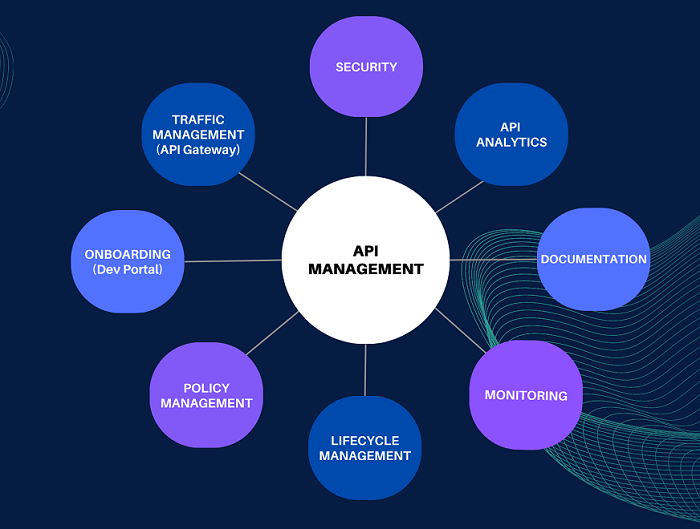
The world of API management is in a constant state of evolution, moving far beyond its origins as a simple tool for proxying web services. To understand the future of this critical infrastructure market, it is essential to analyze the key API Management Market Trends that are shaping the next generation of platforms. These trends are driven by fundamental shifts in software architecture, the escalating security threat landscape, and the increasing sophistication of API strategies. The overarching theme is a move towards a more distributed, more secure, and more intelligent approach to managing the full lifecycle of an API. These developments are transforming API management from a centralized gateway into a pervasive "service mesh" that governs all communication between modern applications.
The single most important architectural trend is the shift from managing traditional "north-south" traffic (traffic coming into the data center from external clients) to managing internal "east-west" traffic between microservices. As companies break down their monolithic applications into hundreds or thousands of small, independent microservices, the volume of internal API calls can dwarf the external traffic. This has led to the rise of the "service mesh" concept. A service mesh, powered by lightweight proxies deployed alongside each microservice, provides a dedicated infrastructure layer for managing service-to-service communication, handling tasks like security, reliability, and observability. Leading API management vendors are now extending their platforms to manage both the external API gateway and the internal service mesh from a single control plane, providing a unified solution for all API traffic.
Another powerful and urgent trend is the intense focus on API security. APIs have become a primary target for attackers, and high-profile data breaches caused by insecure APIs are becoming increasingly common. This has led to a major "shift-left" trend in API security, where security is no longer an afterthought but is built into the entire API lifecycle. This means integrating automated security testing into the CI/CD pipeline to detect vulnerabilities before an API is deployed. It also means moving beyond simple API key and OAuth authentication to more sophisticated, AI-powered security. Modern API management platforms are now incorporating AI to analyze API traffic in real-time, build a baseline of normal behavior, and automatically detect and block anomalous requests that may indicate an attack, providing a much more proactive and intelligent security posture.
Finally, a key trend is the increasing use of GraphQL as an alternative to traditional REST APIs, and the need for API management platforms to support it. REST APIs often require a client to make multiple requests to different endpoints to gather all the data it needs. GraphQL, on the other hand, allows a client to specify exactly the data it requires in a single request, which can be much more efficient, especially for mobile applications. This has led to the growing adoption of GraphQL, particularly for front-end development. As a result, a critical trend for API management vendors is to provide robust support for GraphQL, including the ability to apply security policies, gather analytics, and manage access to GraphQL endpoints, ensuring that these new, more flexible APIs are just as secure and well-governed as their traditional REST counterparts.
Top Trending Reports: