English
 French
 Spanish
 Portuguese
 Deutsch
 Italiano
 Greek
Greek
 Reels
Reels
 Discover Eventos
 My Events
 Discover Blogs
 Discover Mercado
 Discover Grupos
 My Groups
 Discover Páginas
 le gustaba páginas
 Popular Posts
 Discover Posts
 Empleos
 Foros
Foros



Different Industry Printing of Custom Book Boxes
Other |
2025-12-29 11:26:54
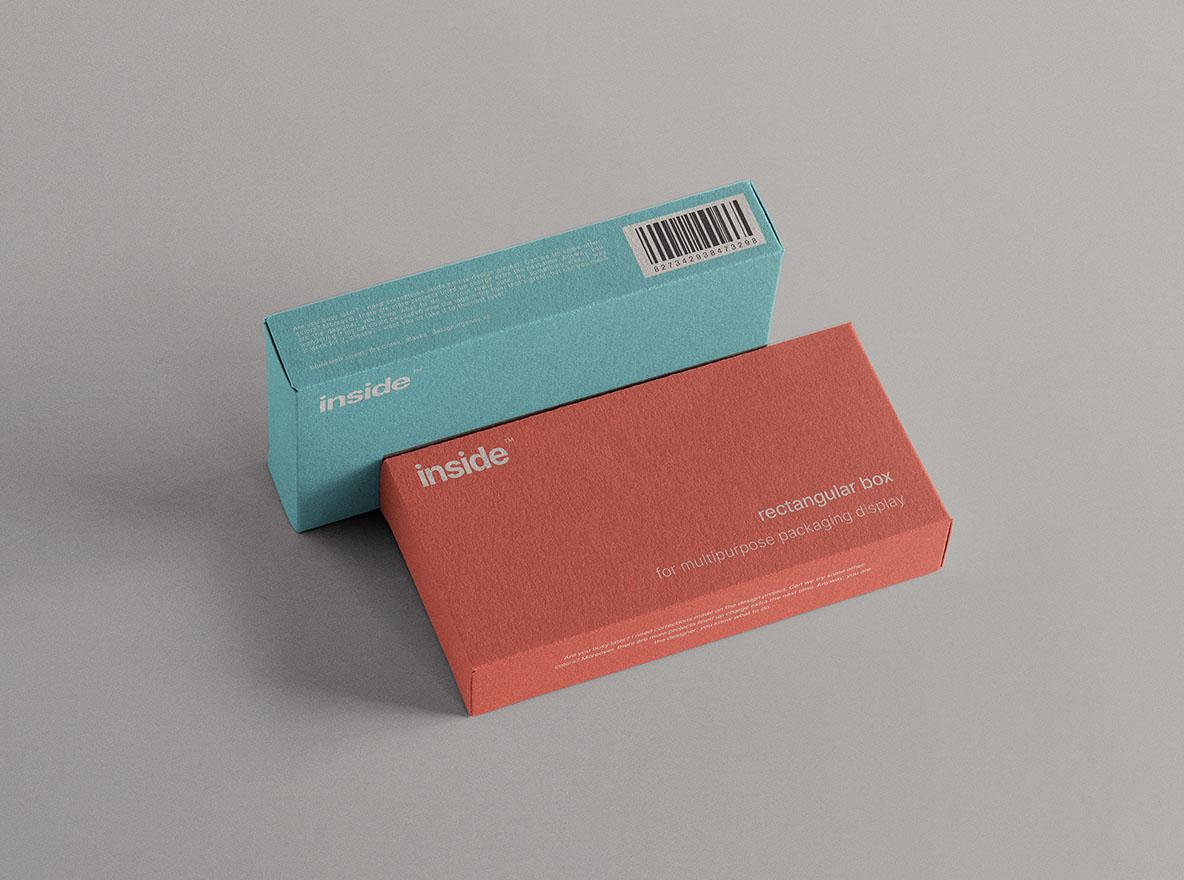
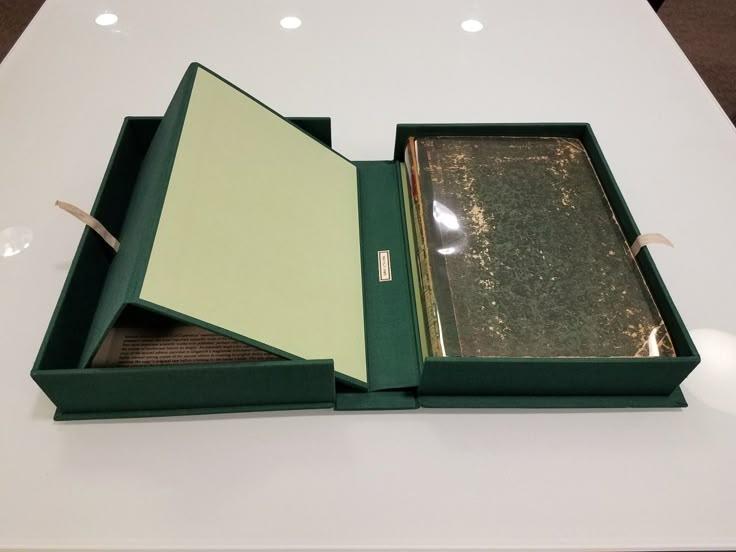
Packaging shape plays a crucial role in how products are stored, transported, displayed, and perceived by customers. While packaging comes in many forms—cylindrical, pyramid, triangular, and custom die-cut shapes—rectangular boxes remain one of the most widely used options across industries. Their practicality, strength, and adaptability make them a preferred choice for both retail and logistics.
This article provides a detailed comparison between rectangular boxes and other packaging shapes, focusing on efficiency, protection, usability, and overall value.
The shape of packaging impacts more than aesthetics. It affects:
Storage efficiency
Transportation costs
Product protection
Shelf presentation
Customer handling experience
Among all options, corrugated rectangular packaging is widely adopted because it aligns well with supply chain requirements while offering dependable performance.
Rectangular boxes excel in space management, especially when compared to round or irregular-shaped packaging.
Stack neatly without wasted space
Fit easily on pallets and shelves
Allow uniform arrangement in warehouses
Reduce empty gaps during shipping
Other shapes, such as cylindrical or pyramid packaging, often leave unused spaces when stacked, increasing storage and transportation inefficiencies.
|
Shape Type |
Space Efficiency |
Stackability |
|
Rectangular |
High |
Excellent |
|
Cylindrical |
Low |
Poor |
|
Pyramid |
Very Low |
Limited |
|
Irregular |
Inconsistent |
Difficult |
For brands aiming to optimize logistics, rectangular designs remain the most practical choice.
Packaging must safeguard products from damage during transit and storage. Rectangular boxes provide superior structural integrity due to evenly distributed pressure points.
Strong edges and flat surfaces absorb impact
Compatible with inserts, dividers, and cushioning
Ideal for packaging for fragile items such as glassware, electronics, and cosmetics
In contrast, curved or asymmetrical boxes can be harder to reinforce and may require additional materials to achieve the same level of protection.
Rectangular packaging is easier and more cost-effective to manufacture.
Standardized die-lines
Minimal material waste
Faster production cycles
Lower tooling costs
Unconventional shapes often require complex tooling, increased labor, and higher production time, which drives up costs without necessarily improving functionality.
Rectangular boxes are widely used because they adapt easily to multiple industries and product categories.
Food and beverage packaging
Electronics and accessories
Apparel and footwear
Pharmaceuticals
Subscription boxes
They also perform exceptionally well in packaging for retail display, offering ample surface area for branding, product information, and visual appeal.
Flat panels make rectangular boxes ideal for printing and finishing techniques.
Large printable surfaces
Clear logo visibility
Consistent branding placement
Support for embossing, foiling, and UV finishes
Other shapes often limit printable areas or distort graphics, reducing brand clarity on shelves.
Rectangular boxes are more eco-conscious when compared to complex packaging shapes.
Efficient material usage
Easier recycling
Reduced shipping emissions due to compact stacking
Compatible with biodegradable and recycled materials
Brands aiming for sustainability often choose space-efficient packaging design to reduce their carbon footprint without compromising performance.
From a customer perspective, rectangular boxes are easy to handle, open, and reuse.
Simple opening mechanisms
Easy resealing options
Stackable for home storage
Reusable for secondary purposes
Odd-shaped packaging may attract attention initially, but often sacrifices convenience and usability.
While unique shapes can create novelty, they are best suited for limited-edition or promotional products rather than everyday packaging.
Luxury gifting
Seasonal promotions
Display-only packaging
However, for long-term scalability and operational efficiency, rectangular packaging remains unmatched.
Rectangular boxes offer a strong balance between cost, performance, and visual appeal.
Lower shipping costs
Reduced material waste
Strong product protection
Reliable branding surface
These advantages make them suitable for brands seeking dependable customized product packaging that supports growth and consistency.
Modern innovations continue to enhance rectangular packaging designs.
Smart packaging integration
Sustainable coatings
Modular inserts
Minimalist branding aesthetics
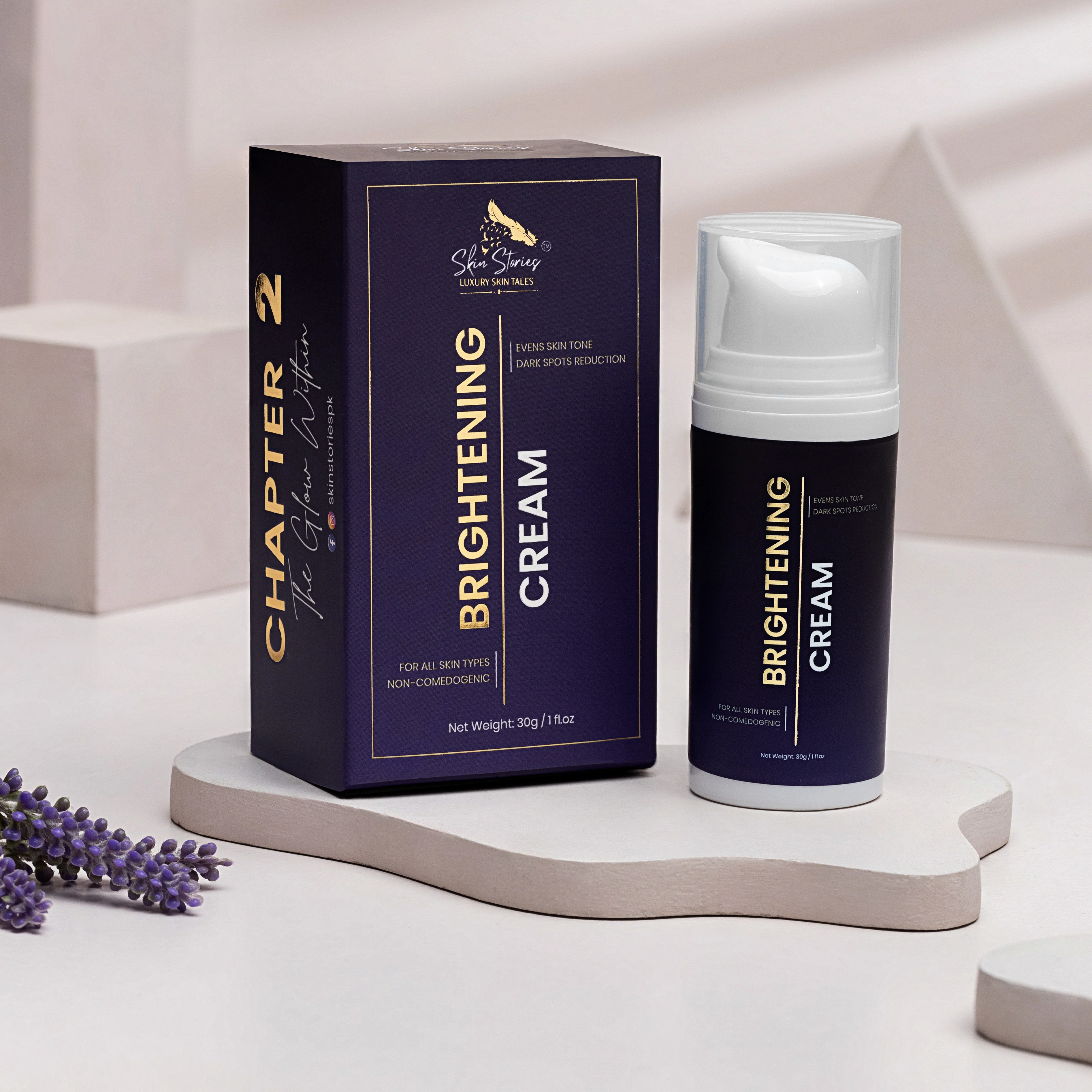
Brands increasingly invest in customized product packaging that blends functionality with visual appeal while keeping operational efficiency intact.
When comparing rectangular boxes with other packaging shapes, the advantages are clear. Rectangular packaging delivers superior space utilization, structural strength, cost efficiency, and branding flexibility. While alternative shapes may offer novelty, they often fall short in scalability and logistics.
For businesses focused on protection, sustainability, and operational practicality, rectangular boxes remain the most reliable packaging solution in today’s competitive market.