English
 French
 Spanish
 Portuguese
 Deutsch
 Italiano
 Greek
Greek
 Reels
Reels
 Encontrar Eventos
 Meus Eventos
 Encontrar Blogs
 Encontrar Loja
 Encontrar Grupos
 Meus Grupos
 Encontrar Páginas
 Páginas Curtidas
 Popular Posts
 Discover Posts
 Jobs
Jobs
 Fóruns



Predictive and Prescriptive Analytics Market Growth Drivers and Challenges
Other |
2025-12-22 08:59:16
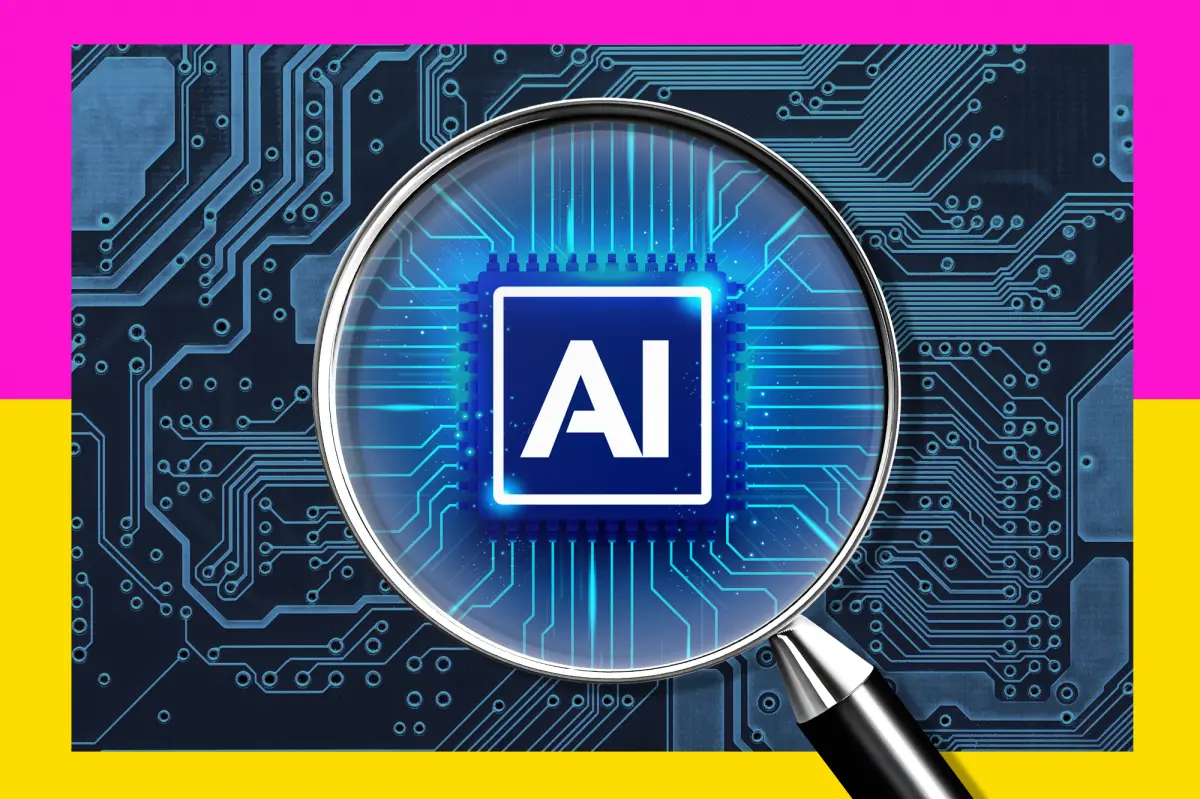
Artificial intelligence has reshaped the way people write, research, and publish content online. From students using AI for brainstorming to businesses generating large volumes of marketing copy, AI-written text is now part of everyday digital life. As this trend grows, so does the demand for tools that can differentiate between human-written and AI-generated material. An AI detector has emerged as a critical solution, helping individuals and organizations maintain transparency, originality, and trust.
An AI detector is a digital tool designed to analyze written content and estimate whether it was produced by a human or generated by artificial intelligence. Instead of comparing text against online sources, it examines writing patterns, structure, and predictability. These tools use advanced algorithms trained on vast datasets containing both human and AI-created text.
The goal of an AI detector is not to accuse or penalize, but to provide insight. It helps users understand the nature of a piece of writing and decide how it should be used, edited, or evaluated.
The rapid adoption of AI writing tools has raised concerns in education, publishing, and online business. Teachers want to ensure students are learning and expressing ideas independently. Editors and journalists aim to preserve credibility and originality. Website owners and SEO professionals want content that aligns with search engine quality standards.
An AI detector supports these goals by offering a layer of verification. In a digital environment where content is produced faster than ever, detection tools help protect authenticity and encourage responsible AI usage.
AI detectors rely on machine learning models that recognize subtle differences between human and machine writing. Human text often includes emotional variation, creative phrasing, and natural inconsistencies. AI-generated text, while polished, may show repetitive patterns, uniform sentence lengths, or overly predictable word choices.
When text is submitted, the detector evaluates these characteristics and produces a likelihood score. This score reflects how closely the writing matches known AI-generated patterns. While results are probabilistic rather than absolute, they provide valuable guidance.
A high-quality AI detector offers more than a simple “AI or human” label. Many tools provide detailed analysis, highlighting specific sections that appear machine-generated. Some include confidence percentages, readability metrics, and language insights to help users better interpret the results.
Speed and ease of use are also important. Modern AI detectors are designed to deliver quick results without requiring technical knowledge, making them accessible to educators, writers, and professionals alike.
AI detection tools are used across a wide range of fields. In education, they help maintain academic integrity while opening conversations about ethical AI use. In publishing and media, editors rely on detectors to ensure content meets editorial standards.
In digital marketing and SEO, an AI detector helps content creators refine their work to sound more natural and human-focused. Legal, corporate, and compliance teams also use these tools to verify document authenticity and reduce risk in sensitive communications.
Despite their usefulness, AI detectors are not perfect. False positives can occur, especially when skilled human writers use a highly structured or formal tone. Likewise, advanced AI models continue to improve, sometimes producing text that closely resembles human writing.
For this reason, AI detection should be used as a support mechanism rather than a final authority. Human judgment, context, and intent remain essential when interpreting results.
Ethical application of AI detection tools is just as important as the technology itself. These tools should encourage transparency, not fear. Clear policies and open communication help ensure that AI detectors are used to guide improvement rather than punish experimentation.
As AI becomes a collaborative tool rather than a replacement for human creativity, detection tools can help strike a healthy balance between efficiency and originality.
As artificial intelligence continues to evolve, AI detectors will also advance. Future tools may incorporate behavioral signals, writing history, and contextual analysis to improve accuracy. Continuous updates and training will be necessary to keep pace with the development of new AI writing models.
Ultimately, AI detection is not about stopping progress, but about shaping it responsibly. When used wisely, these tools support trust, creativity, and quality in a rapidly changing digital landscape.
An AI detector plays a vital role in today’s content-driven world. By helping identify machine-generated text, it supports authenticity, ethical standards, and informed decision-making. While no tool is flawless, AI detectors offer valuable insights that help individuals and organizations navigate the growing influence of artificial intelligence with confidence and clarity.