English
 French
 Spanish
 Portuguese
 Deutsch
 Italiano
 Greek
Greek
 Reels
Reels
 Ανακάλυψε Events
 Τα events μου
 Ανακάλυψε Blogs
 Ανακάλυψε Αγορά
 Ανακάλυψε Ομάδες
 οι Ομάδες μου
 Ανακάλυψε Σελίδες
 Σελίδες που μου αρέσουν
 Δημοφιλείς δημοσιεύσεις
 Discover Posts
 Εργασίες
 Forum
Forum



Achieving Your Goals: How a CUET Mock Test Changes Your Preparation
Other |
2025-12-30 06:40:37
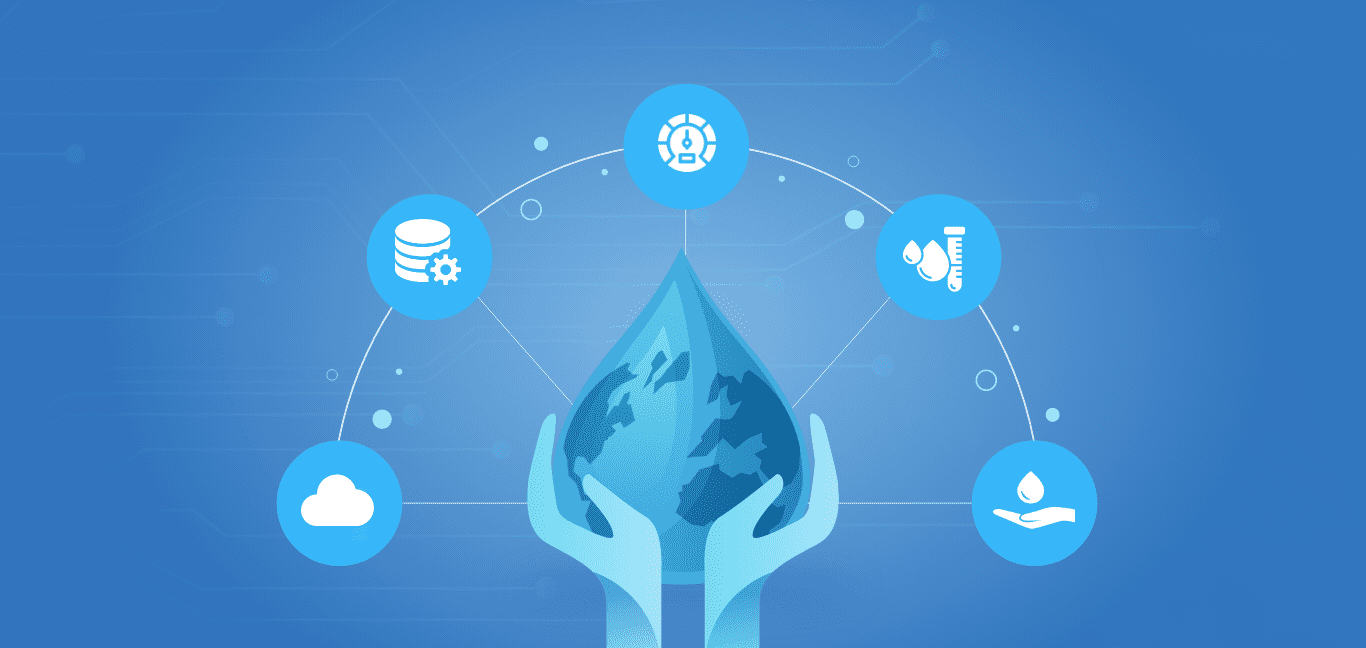
The world of water utility management is undergoing a profound digital transformation, moving away from a century-old model of manual operations to a new era of data-driven intelligence. To understand the future of this critical infrastructure market, it is essential to analyze the key Smart Water Management Market Trends that are defining the next generation of solutions. These trends are driven by advancements in IoT, AI, and cloud computing, and they point towards a future where water networks are more proactive, more resilient, and more efficient. The overarching theme is the move from simple remote monitoring to a holistic, predictive, and even autonomous operational model. These developments are not just improving efficiency; they are fundamentally changing the way we manage our most precious resource.
The single most impactful trend is the rise of the "digital twin" for water networks. A digital twin is a dynamic, virtual replica of the entire physical water distribution system, updated in real-time with data from sensors across the network. This is a massive leap beyond a static GIS map. The digital twin allows utility operators to see a live, graphical representation of the entire system's performance—pressure, flow, water quality—on a single screen. More importantly, it acts as a powerful simulation engine. Operators can use the digital twin to simulate the impact of a main break and plan the optimal response, to test different pump schedules to find the most energy-efficient option, or to model the long-term impact of new development on the network. This trend is transforming utility operations from reactive to highly proactive and strategic.
Another powerful trend is the increasing use of advanced AI and machine learning for predictive analytics. While smart water systems have been good at detecting existing leaks, the new trend is to predict future failures. By analyzing historical data on pipe breaks along with factors like pipe material, age, soil conditions, and pressure fluctuations, AI models can now predict which specific sections of pipe are most likely to fail in the near future. This allows utilities to move from a reactive "break-fix" model to a truly proactive asset management strategy, replacing high-risk pipes before they can cause a catastrophic and costly failure. AI is also being used to predict water demand with greater accuracy and to detect complex water quality issues that might be missed by simple sensor thresholds.
Finally, a critical trend is the focus on customer engagement and empowerment. In the past, the relationship between a utility and its customers was often limited to a monthly bill. Smart water technology is changing this. A key trend is the development of customer portals and mobile apps that give consumers direct, near-real-time access to their own water usage data. This empowers them to track their consumption, set budgets, and receive alerts about potential leaks on their own property (like a running toilet). This not only improves customer satisfaction and reduces billing disputes but also promotes water conservation by making consumers more aware of their usage. This trend is transforming the utility from a simple service provider into a trusted partner in water stewardship for the entire community.
Top Trending Reports: